A vape detector earns its place in your building when its alerts help your team take action. Detecting vaping matters. So does avoiding unnecessary interruptions from deodorant, cleaning sprays, and other everyday products.
Our new Triton ULTRA Vape Detection Accuracy Report puts the evidence behind our published 98.9% accuracy figure in your hands. It includes the testing method, product-by-product results, and the conditions behind the numbers.
How we validate vape detection accuracy
Across 8,400 logged events, Triton ULTRA correctly classified 8,315, for an observed aggregate accuracy of 98.988%. We report that result conservatively as 98.9% accuracy, rounding down to one decimal place. Read the full Accuracy Report for the methodology, source-level results, and limitations.
The study included 2,900 genuine vape events and 5,500 non-vape events across 30 sources. Testing took place from May to July 2026 in school restrooms, a commercial setting, and a residential setting.
We tested disposable and refillable vaping devices alongside potential interference sources, including body sprays, antiperspirants, hairsprays, cleaners, and water vapor. The goal was to measure both successful vape detection and the ability to reject non-vape events.
Low false alarms from common aerosols
Triton ULTRA correctly rejected 5,454 of 5,500 non-vape events, producing an observed specificity of 99.164%. There were 46 false positives, equivalent to a 0.836% false-positive rate among the non-vape trials.
At the same time, it detected 2,861 of 2,900 genuine vape events, giving an observed sensitivity of 98.655%. These results show strong performance on both sides of the detection task under the tested conditions. This is especially compelling because the agents we tested the sensor on (deodorants and cleaning sprays) are the most common source of false alarms across all brands of vape detectors.
What this means for your team and your investment
When evaluating a vape detector, the purchase price is only part of the decision. Your team also invests time in responding to alerts and following up on incidents.
Reducing nuisance alerts can help protect that investment in three practical ways:
The study measures classification performance, rather than customer cost savings. Actual results depend on factors including airflow, placement, distance, and the mix of sources in a space. Testing covered source-to-sensor distances of 0–6 feet; the aggregate result is not a guarantee for every installation.
See the evidence behind Triton ULTRA
We are confident in Triton ULTRA’s measured performance, and we want customers to see how we evaluated it. Read the full Accuracy Report for the methodology, complete results, and limitations.
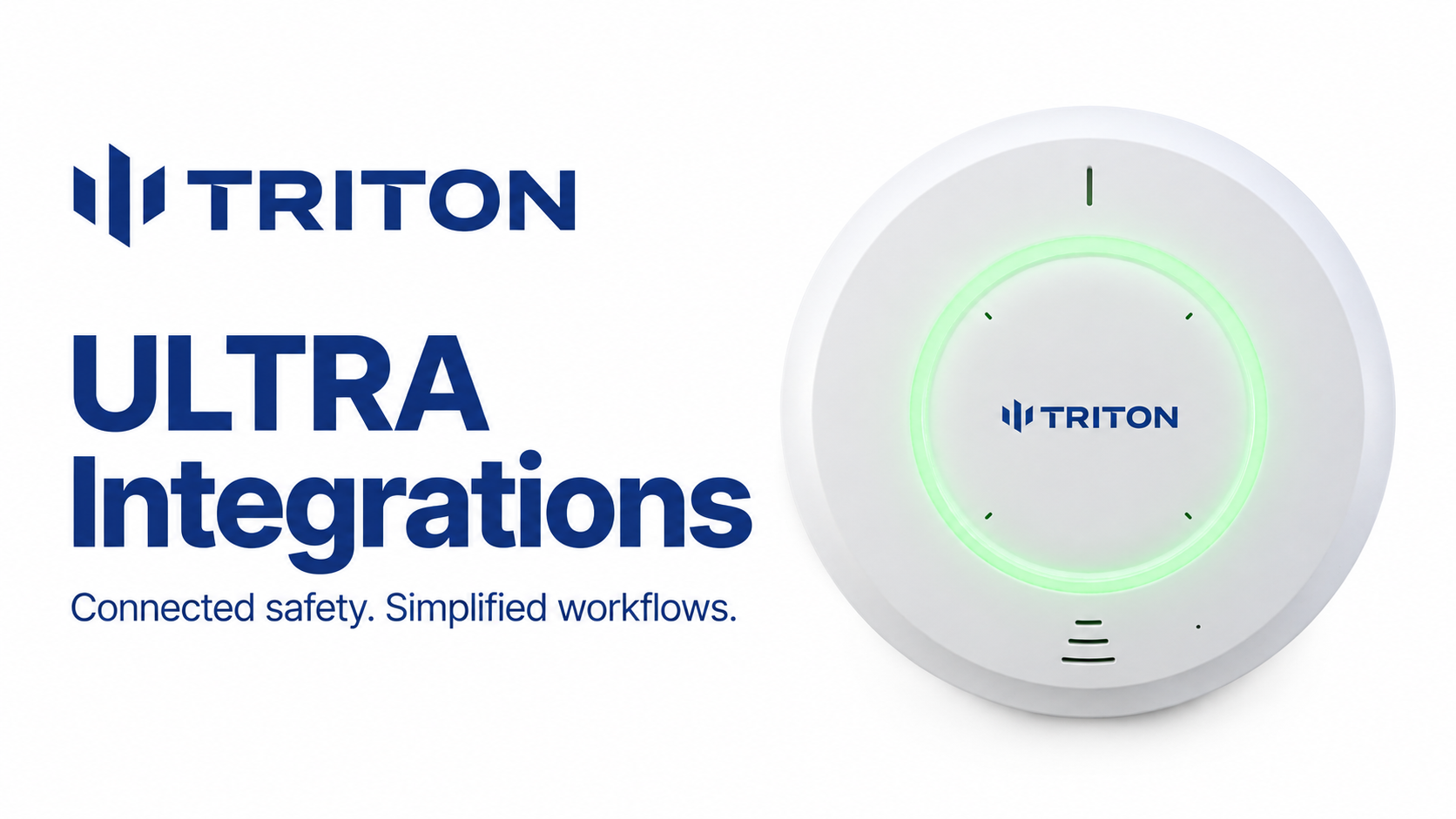
Planning your next deployment? Explore Triton ULTRA vape detection to learn how it can support your team.