Are Vape Detectors Legal In Schools?
With vaping becoming a growing problem in many schools, staff are desperate to find effective ways to get a handle on the issue. In recent years, one of the most effective options has been vape detectors. But an important question often arises: are vape detectors legal in schools?
In most cases, yes. Vape detectors are legal in US schools, helping to monitor air quality. Issues may arise with privacy laws if they monitor video or audio, however.
That’s why we put together this guide, to share our experience in the vape detection industry with you, to ensure you can enjoy the benefits of using vape detectors without breaking any rules.
Below, we look at the key considerations behind the legality of vape detectors in schools, where you can safely install them, and the potential benefits they can have.
Let’s begin with the basics.
What Is a Vape Detector?
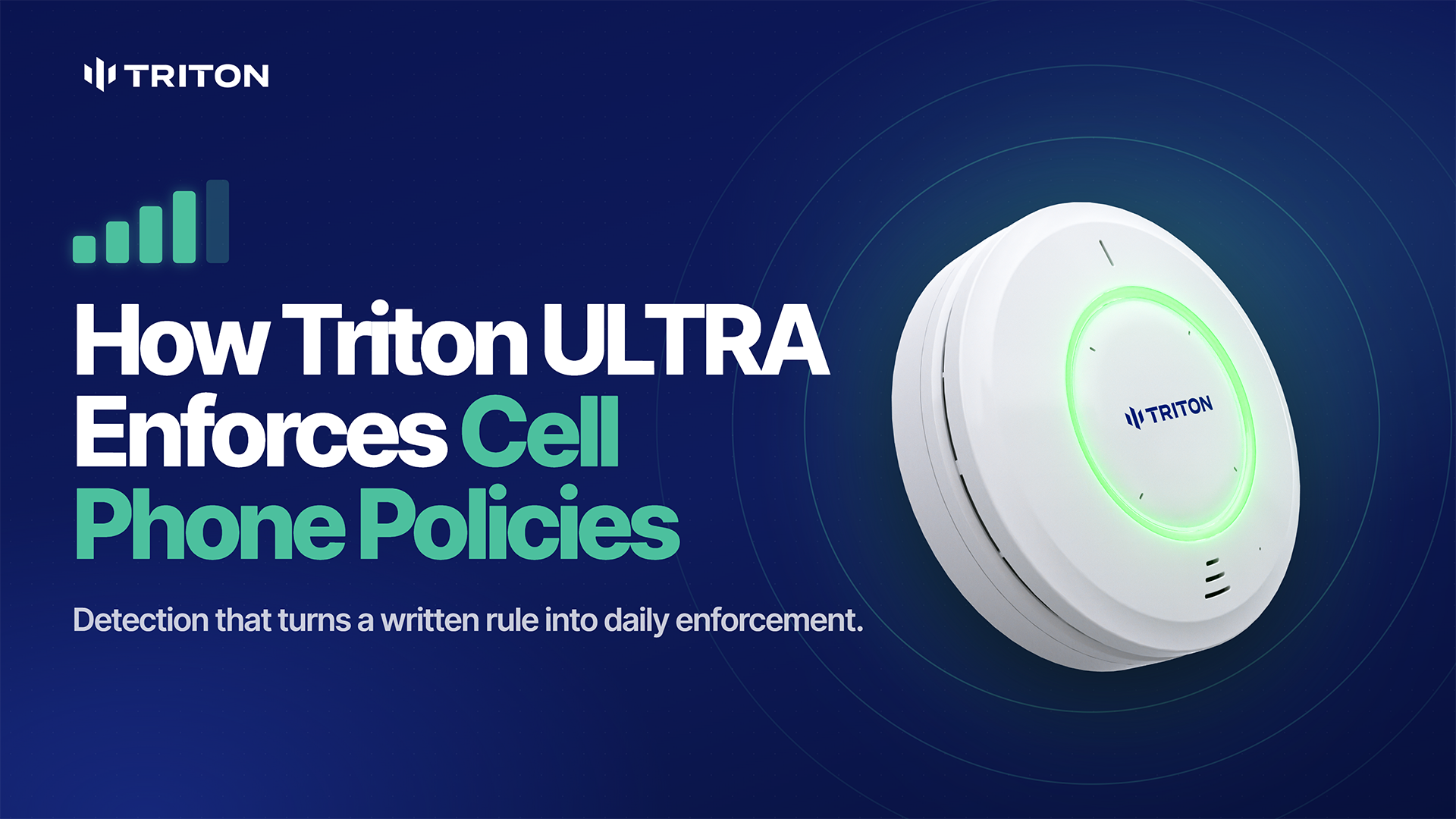
A vape detector is a small, unassuming device that looks much like a smoke alarm, only it monitors air quality. It has the ability to detect the chemicals, aerosols and compounds found in vapor produced by vape pens, as well as the likes of THC, which is found in marijuana.
In the context of schools, vape detectors are often installed in locations where students like to vape out of the view of teachers and staff, like bathrooms and locker rooms.
A vape detector installed in these areas would trigger an alert to school staff who can investigate in real time, without alerting the vaping individuals.
Given the modern technology used in vape detectors, they often come equipped with other functions, such as the ability to monitor noise levels, as well as detect audible keywords. It’s features like this that require consideration with US laws.
How Vape Detectors Work
Vape detectors continuously monitor the area in which they’re fitted. Some devices, such as our TritonSense vape detectors, are powered by ethernet cable, ensuring constant uptime, with no need to change batteries or rely on WiFi connections.
Whenever a student exhales vapor, microscopic particles drift upwards for a short time, which can then be detected. When that happens, an alert is triggered, and staff can intervene.
Are Vape Detectors Legal in Schools in the US?
Yes, vape detectors are generally legal in schools throughout the United States.
Schools have a legal responsibility and a duty to protect their students and provide a safe learning environment. Vaping is harmful to children, with chemicals such as nicotine having the ability to cause irritability, diminish attention spans, and develop addictive behaviors. If students are vaping during school hours, it’s up to them to tackle the issue.
The key feature of vape detectors is that they do not count as a form of surveillance, meaning they can be used in bathrooms and locker rooms. They’re instead seen as a preventative measure, a safety tool, and one that can help enforce policies.
The main consideration for schools is whether they use other features to surveil students. Professional advice should always be sought if this is something under consideration.
What Laws Apply to Vape Detectors in Schools?
At present, there are no federal laws that specifically regulate vape detectors in schools. However, numerous broader privacy and education laws dictate how monitoring technology can be used.
Schools must, for example, comply with data protection laws, which can vary from state to state. The California Consumer Privacy Act (CCPA) is an example of one such law that sets stringent standards.
There are also more specific laws, such as the Family Educational Rights and Privacy Act (FERPA), which protects the privacy of student education records.
Vape detectors are often compliant with many of these laws because they collect environmental data rather than personal information.
Surveillance Rules in Schools
Surveillance rules in schools are stringent, and rightly so. The privacy of students cannot be breached, and that’s why the likes of CCTV cameras are limited to the likes of hallways.
The legal test is whether or not monitoring technology is used in a space where there is a reasonable expectation of privacy. This applies to restrooms and changing rooms.
As long as vape detectors do not record images or conversations, they will generally be compliant with surveillance laws.
Where Can Schools Install Vape Detectors?
Provided that vape detectors aren’t used for monitoring students, schools have the freedom to install them anywhere on their premises. This includes the hard-to-supervise locations, like locker rooms and bathrooms.
These two locations in particular are beyond the supervision of teachers and school staff. CCTV cameras aren’t allowed for privacy reasons. It makes them one of, if not the, prime locations for students to vape at school.
Another hot spot is quiet stairwells and corridors that don’t get much footfall. Again, these locations go beyond the supervision of staff, who may not even think to patrol there. Placing vape detectors in these locations can also capture a high number of vape incidents.
Besides these locations, a school could also install a vape detector in gymnasiums, which may go unused for long periods of the day, making them a quiet haven for vaping students. The same goes for classrooms that may not get used as often compared to others.
Do Vape Detectors Invade Student Privacy?
Vape detectors are designed to minimize all privacy concerns. They do not capture visual images or record conversations. All they do is monitor changes in the air. This means they don’t process or retain personal data, and that makes them unobtrusive.
However, if a school activates the sound detection feature and maintains records of that, this may change the situation. In such a case, the school must clearly communicate how the devices work and how alerts are handled. This reassures everyone, from staff to students and parents, that the technology is being used responsibly.
Do Vape Detectors Record Students?
No, most vape detectors do not record students. However, some models can be used to listen out for certain keywords or spikes in noise levels. It’s possible for recordings to be stored and maintained by the school. If so, this must be communicated to the public.
However, most standard vape detectors do not record anything at all. They simply monitor the atmosphere for any particles like aerosols, THC and tobacco. If they do detect something like this, they trigger an alert. No data is stored, and no recordings are made.
Why Schools Are Installing Vape Detectors
Enforcing no-smoking and no-vaping policies in a school is difficult, especially when it comes to vapes. These devices are odorless and vapor dissipates in seconds, making it hard to catch students in the act.
Another challenges educators face are locations within schools that are hard to patrol, such as those mentioned above. Without vape detectors, students can almost vape at will.
It’s what was happening at Match Charter Schools when they contacted us about what they described as an epidemic of vaping in their schools. We installed our vape detectors in their hot spots and, within just a few weeks, achieved a reduction in vaping incidents by 79%.
In certain cases, schools are able to make meaningful interventions, helping students overcome the habit and get their schooling back on track.
Given the damage that vaping can have on students, it’s a no-brainer for schools. If you’re still wondering about the reasons why schools are installing vapes, head here to see our guide with 11 more reasons.
FAQs About Vape Detectors in Schools
Below, you can find answers to some common questions on the legality of vape detectors in schools.
Do vape detectors record audio?
Most vape detectors do not record audio conversations. Their purpose is to detect airborne particles associated with vaping. Some models may detect loud noises or disturbances, but they typically do not record or store audio.
Can vape detectors detect cigarettes?
Some vape detectors can identify cigarette smoke as well as vape aerosols. However, their sensors are primarily designed to detect vapour particles rather than traditional smoke from burning tobacco.
Can schools install vape detectors in toilets?
Yes, many schools install vape detectors in restrooms because vaping frequently occurs in these spaces.
Do vape detectors detect THC vapes?
Yes, many vape detectors can also detect THC produced by vapes. However, the devices typically detect vapour rather than identifying the exact substance being used.
Are vape detectors the same as smoke detectors?
No. Smoke detectors are designed to detect smoke produced by fire. Vape detectors are specifically designed to detect aerosol particles created by e-cigarettes. Smoke detectors cannot, therefore, detect vapor.
How accurate are vape detectors?
Modern vape detectors can be highly accurate when properly installed and calibrated. Advanced sensors can identify vape aerosols quickly and send alerts to administrators within seconds.
Districts that have cleared the legal questions usually move next to school vape detection from Triton.
With legality settled, the practical problem becomes stopping vaping in school bathrooms.
These rules apply across every deployment covered in our overview of Triton in K-12 buildings.