The Challenge: Multiple Buildings, One Persistent Problem
Match Charter Schools has built a reputation for academic excellence in Boston, providing rigorous college-preparatory education to students from across the city. But like urban school networks nationwide, Match faced a challenge that threatened to undermine their carefully cultivated learning environment: vaping had become endemic across their facilities.
The problem was compounded by Match's operational reality. With students and staff spread across multiple buildings throughout Boston, maintaining consistent oversight of restrooms and common areas presented unique logistical challenges. Traditional monitoring approaches that might work in a single-building district simply weren't scalable for a multi-site charter network.
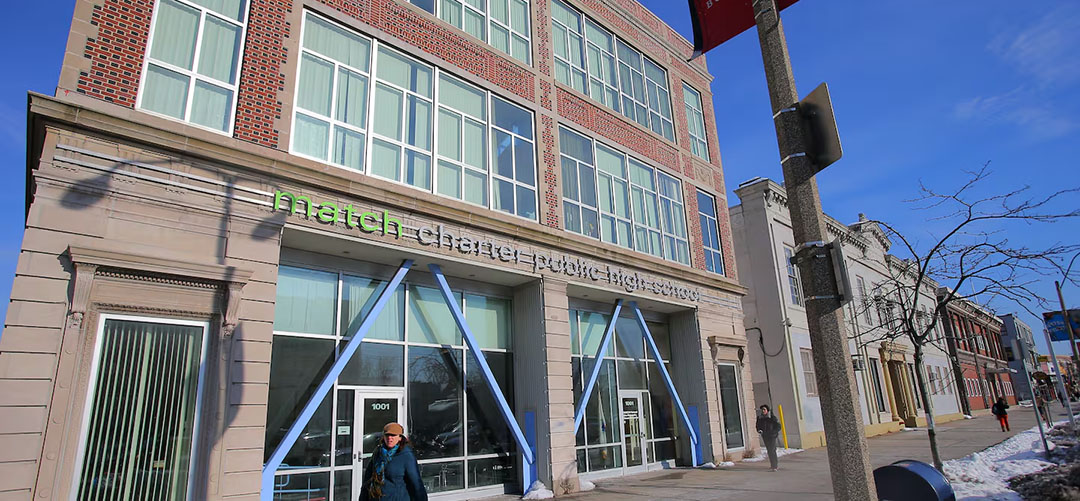
Before Triton, Match had attempted several interventions. Random bathroom checks by administrators proved ineffective—students had become adept at watching for adults and texting warnings to friends. The network tried shortening passing periods, but this created a cascade of problems: students rushing between classes, increased tardiness, and complaints from teachers who lost instructional time to late arrivals. Some buildings experimented with locking all but one restroom per floor, which created long lines, student frustration, and ultimately more time spent out of class, not less.
The IT team, already stretched thin managing technology across multiple sites, was fielding requests to install various monitoring solutions that would have required building-by-building configuration, separate logins for each location, and on-site visits whenever settings needed adjustment. For a lean charter network focused on maximizing every dollar for instruction, this approach was neither practical nor sustainable.
Beyond the direct health concerns, the vaping problem was creating secondary issues that affected the entire school community. Bathrooms had become gathering spots where other problems flourished. Teachers reported that students who returned from extended bathroom breaks often came back distracted and disengaged. Disciplinary data revealed a troubling correlation: buildings with the highest vaping activity also saw more fights, more class disruptions, and more students skipping classes entirely to congregate in unsupervised areas.
The Discovery: A Solution Built for Multi-Site Networks
Match's leadership team discovered Triton through conversations with peer charter networks who had faced similar challenges. What immediately stood out was Triton's architecture: designed from the ground up for organizations managing multiple facilities.
The IT team's evaluation was decisive. Unlike competing solutions that required complex network configurations, port forwarding, and building-specific setups, Triton's Sensors connected seamlessly through Triton Cloud. Multi-tenant access meant IT staff could monitor and configure sensors across all Match buildings from a single dashboard—no need to maintain separate credentials for each location or travel on-site to make adjustments.
"The single sign-on capability was a game-changer for us," noted one IT administrator. "We manage technology for thousands of students across multiple buildings. The last thing we needed was another platform with separate logins for each site. With Triton Cloud, we log in once and have visibility into every sensor across the entire network."
Match deployed Triton Vape Detectors with other school safety features in restrooms across all buildings simultaneously. The installation required no special network configurations—sensors connected via standard PoE and began reporting to the cloud immediately. Within hours of installation, administrators had real-time visibility into vaping activity across the entire network.
The Implementation: Speed That Makes a Difference
Match's experience during the first weeks of deployment highlighted why alert speed matters. The Triton system delivered notifications to administrators' phones within seconds of detection—fast enough to intervene while students were still in the restroom.
"The speed of the alerts completely changed our approach," explained a campus administrator. "Before, we were always responding after the fact. Now, when we get an alert, we can respond in real-time. Students quickly realized that vaping in our restrooms meant getting caught—every time."
The multi-sensor capabilities proved valuable beyond vape detection. Temperature and humidity monitoring helped identify HVAC issues before they became complaints. In one building, elevated humidity readings in a basement restroom led maintenance staff to discover a slow leak that could have caused significant water damage if left undetected.
Sound detection added another dimension to the monitoring capabilities. Administrators could identify when restrooms were being used for purposes other than their intended function—extended conversations, group gatherings, or altercations—and respond appropriately. This capability proved particularly valuable in reducing the physical confrontations that had previously occurred in unsupervised spaces.
The Results: Data-Driven Success Across Every Building
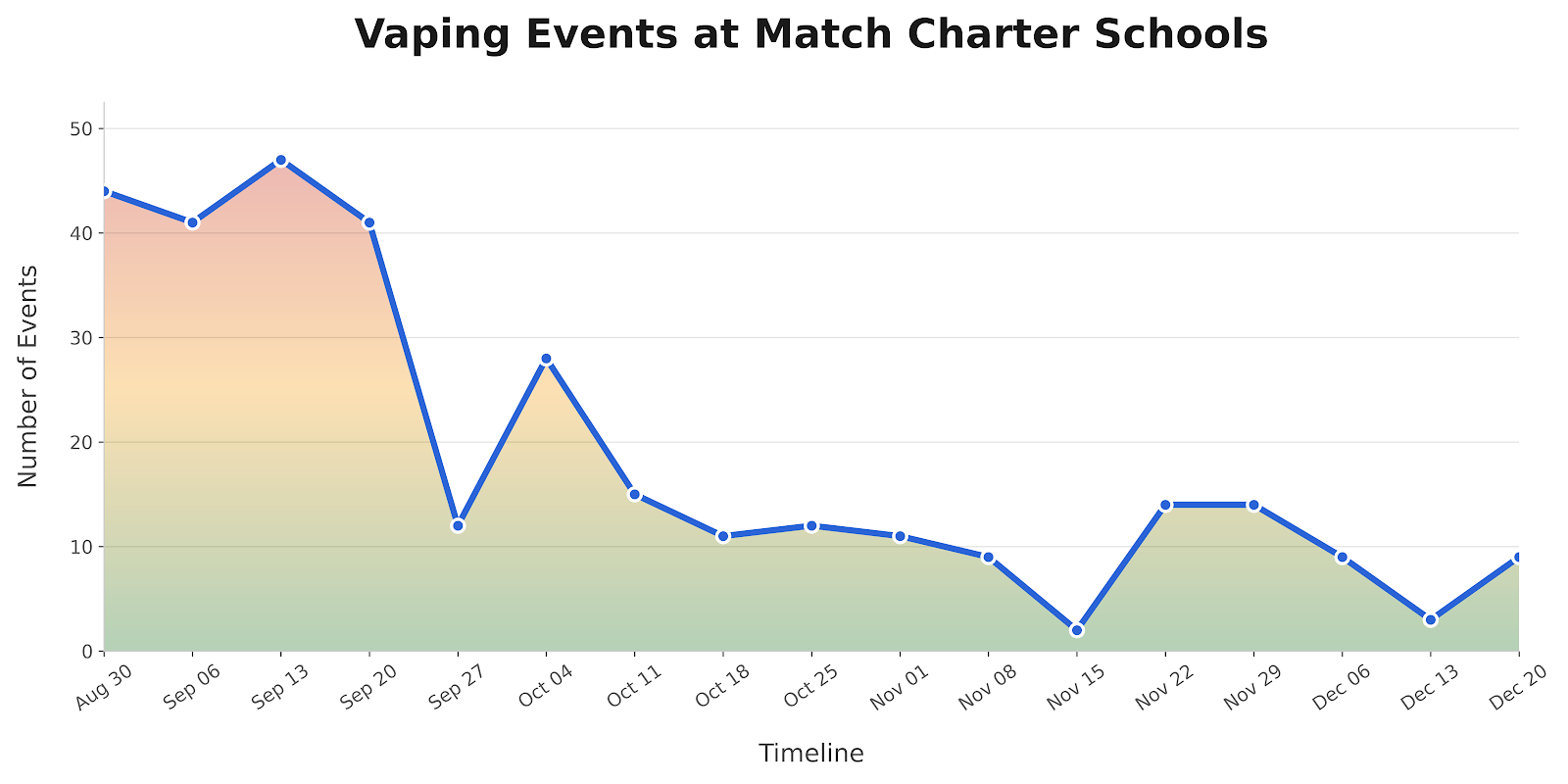
The impact was visible in the data within weeks. Match's network-wide vaping events dropped from a peak of 47 weekly incidents in mid-September to single digits by mid-November—a 79% reduction.
The steep decline visible in the data between late September and early October tells the story of deterrence taking hold. Once students understood that vaping would reliably result in immediate detection and intervention, the behavior dropped precipitously. The brief spike in early October—followed by continued decline—represented a testing period where some students attempted to find workarounds before accepting that the system was effective.
The secondary benefits were equally significant. As vaping declined, so did the associated behavioral issues. Disciplinary referrals for restroom-related incidents dropped across all buildings. Teachers reported that students were spending less time on bathroom breaks and returning more focused. Attendance data showed improvement in the periods immediately following what had been peak vaping times.
One unexpected benefit emerged from the cross-building visibility. Administrators could compare patterns across sites and share successful intervention strategies. When one building achieved particularly strong results, their approach was documented and replicated network-wide. This collaborative improvement wouldn't have been possible with building-specific, siloed monitoring systems.
The IT Perspective: Why Architecture Matters
For Match's technology team, Triton represented a fundamentally different approach to school safety technology. Traditional systems often treat each building as an island, requiring dedicated infrastructure, separate configurations, and on-site management. Triton's cloud-native architecture eliminated these barriers.
Key IT advantages the team identified:
No port configuration required: Sensors connect outbound to Triton Cloud, eliminating the security risks and complexity of opening inbound ports. This simplified deployment enormously and aligned with the network's security policies.
Remote management: All configuration changes, sensitivity adjustments, and firmware updates happen through the cloud interface. IT staff haven't had to visit a single building to manage the Triton deployment since initial installation.
Unified alerting: Building administrators receive alerts only for their building, while network leadership can monitor patterns across all sites. This granular permission structure meant the right people receive the right information without overwhelming anyone with irrelevant alerts.
Single sign-on integration: Triton Cloud integrates with existing identity systems, eliminating another set of credentials for staff to manage and ensuring that user provisioning follows the same workflows as other school technology.
Looking Forward: A Model for Multi-Site Education Networks
For Match Charter Schools, the Triton deployment has become a case study in how technology can address behavioral challenges without creating administrative burden. The system has largely moved from active intervention to passive deterrence—students know the sensors are present and adjust their behavior accordingly.
The network continues to leverage the environmental monitoring capabilities for facility management, using temperature and humidity data to optimize HVAC scheduling and identify maintenance issues proactively. What began as a vaping intervention has evolved into a comprehensive environmental monitoring platform that delivers value well beyond its original purpose.
Match's experience demonstrates that charter networks and multi-building districts don't have to accept the operational complexity that legacy security systems impose. Modern, cloud-native architecture designed for distributed organizations can deliver better results with less overhead—freeing IT resources and administrative attention for the educational mission that matters most.
As one Match administrator summarized: "We're in the business of preparing students for college and career success. Every minute our team spends managing technology or chasing students out of bathrooms is a minute not spent on instruction. Triton gave us back that time, and the results speak for themselves."
Multi-building districts can see how Triton works in K-12 districts of any size.
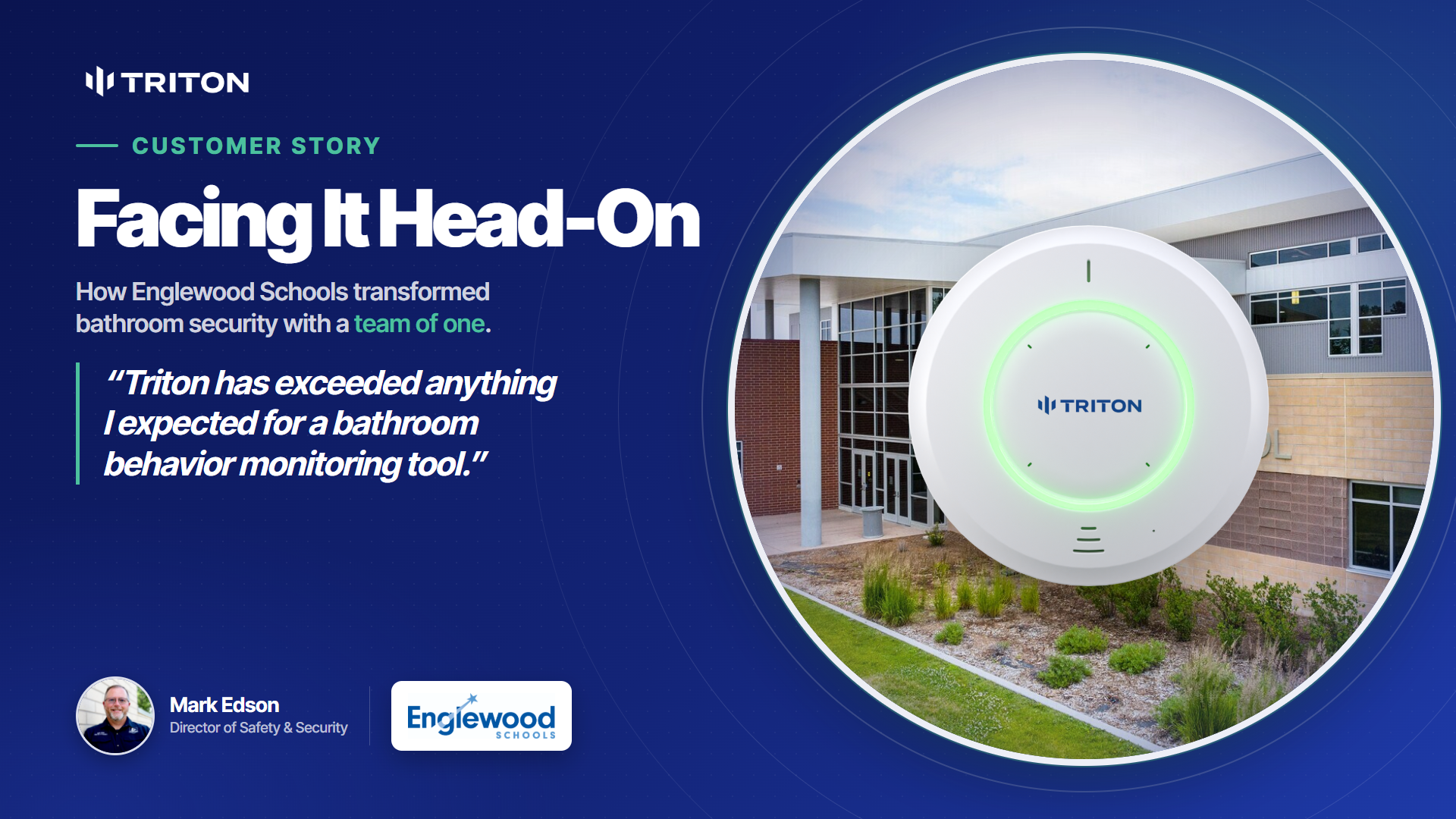
Smaller safety teams get there too. Read how Englewood rebuilt bathroom security with a team of one.
Single-campus districts see comparable results, as in Luling ISD's deployment.
.svg)