vs.

Triton ULTRA vs. Zeptive

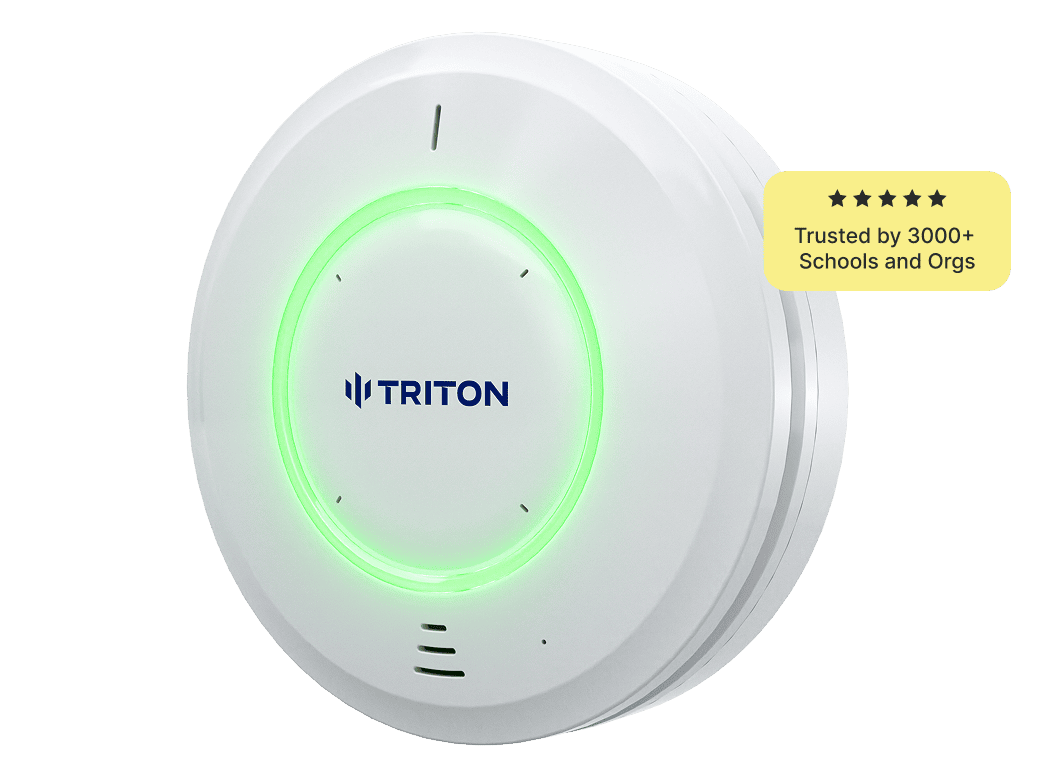
Triton ULTRA and Zeptive are two options schools consider for vape detection. Triton ULTRA is a hardwired safety sensor purpose-built for schools. Zeptive is best known for its battery-powered ZVD2300, which can go up without new cabling; it also sells the wired ZVD2200.
The main decision is hardwired versus battery. Hardwiring needs cabling up front, then runs with no batteries to change. Battery power is simpler on day one but brings recurring battery changes, a large lithium-ion battery in the ceiling, and fewer safety features.

Triton ULTRA vs. Zeptive at a glance

Capability
Triton ULTRA
Zeptive ZVD2200 (wired) / ZVD2300 (battery or wired)
Power
PoE or PoE+ (12V DC with Wi-Fi also supported); no batteries
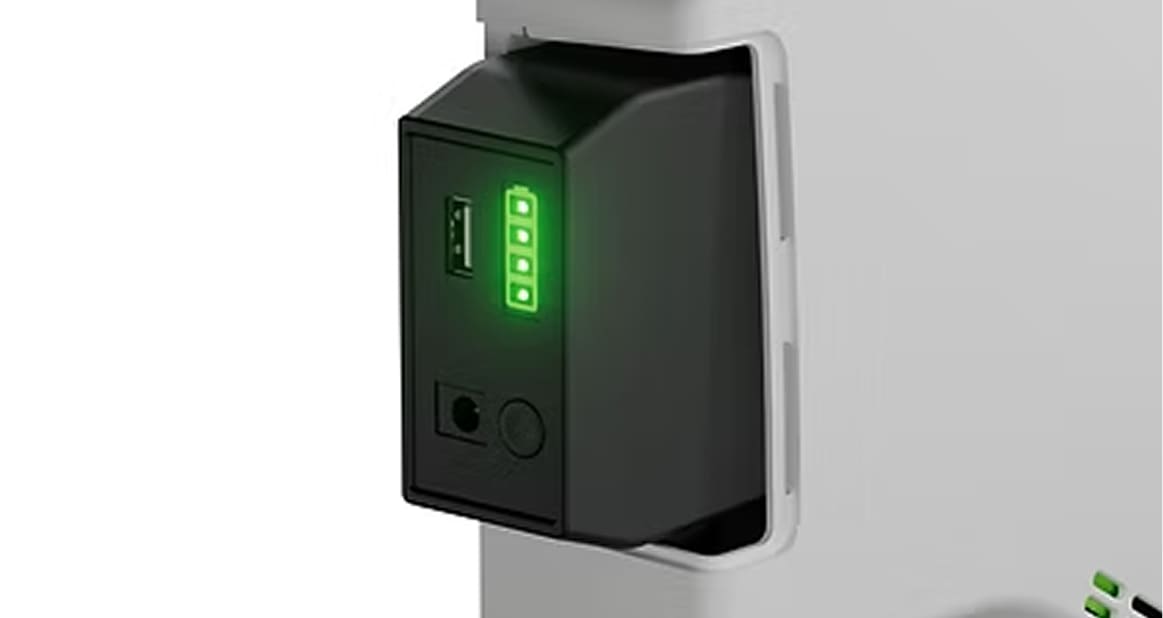
ZVD2200: PoE or USB. ZVD2300 adds a removable rechargeable lithium-ion battery (140.4 Wh)
Battery maintenance
None
Rated about 3 months per charge; varying with alert frequency and wifi signal.
PoE daisy-chaining
Up to five sensors on one PoE+ line
One PoE connection per wired sensor
Size and weight
About 5.5 in diameter, 2 inches thick, and 1 lb
ULTRA Advantage
ZVD2300: 10 × 9.5 × 2.27 in, 3.38 lb with battery, about four times Triton ULTRA’s ceiling footprint. ZVD2200: 6.4 × 9.5 × 2.27 in, 1.1 lb
Vape detection
Detects nicotine and THC vape pens, plus separate THC detection for combusted cannabis
Detects nicotine, non-nicotine, and THC vaping plus smoke; THC identification listed
People counting
Built-in radar people counting
Not supported
Occupancy visualization and loitering
Radar tracks each person’s approximate position and dwell time; loitering alerts
ULTRA Advantage
Prolonged-presence alerts only
Emergency keywords
Spoken keyword alerts, including custom keywords through Triton Cloud
Not included; optional sound meter measures decibel level only
Aggression and audio alerts
Aggression and sound-level alerts; AI Audio Classification for glass break and screams/shouts
Aggression and noise alerts based on decibel level (optional sound meter)
Cell phone detection
Included
Not included
Masking and tamper alerts
Masking detection; tamper alerts
Masking detection; tamper and proximity alerts
On-device alerts
Built-in RGB light ring and speaker for pre-recorded or custom audio messages
ULTRA Advantage
Audible alarm (buzzer)
Software model
Local software included; Triton Cloud optional. Works without a subscription
ULTRA Advantage
Cloud only; no local software documented
Integrations
More than 25 documented platforms across video management, access control, intercom, mass notification, and staff messaging; live occupancy view streams into the VMS over RTSP; Evidence Room pairs alerts with camera footage
ULTRA Advantage
10 video platforms: Avigilon, Axis, Bosch BVMS, Digital Watchdog, Genetec, Hanwha, i-PRO, Milestone, Qognify, and Wazo; alerts arrive as VMS events
Alerts
Local email; Cloud SMS and app push; Teams, Slack, and Google Chat routes
ULTRA Advantage
Email, SMS, and app push
Standard hardware warranty
10 years, no cloud subscription required
ULTRA Advantage
5 years; ends if committed subscription fees go unpaid; batteries 12 months
Published vape detection testing
98.9% overall accuracy across 8,400 events including perfumes, deodorants, etc.
No comparable published accuracy test found

Hardwired vs. battery

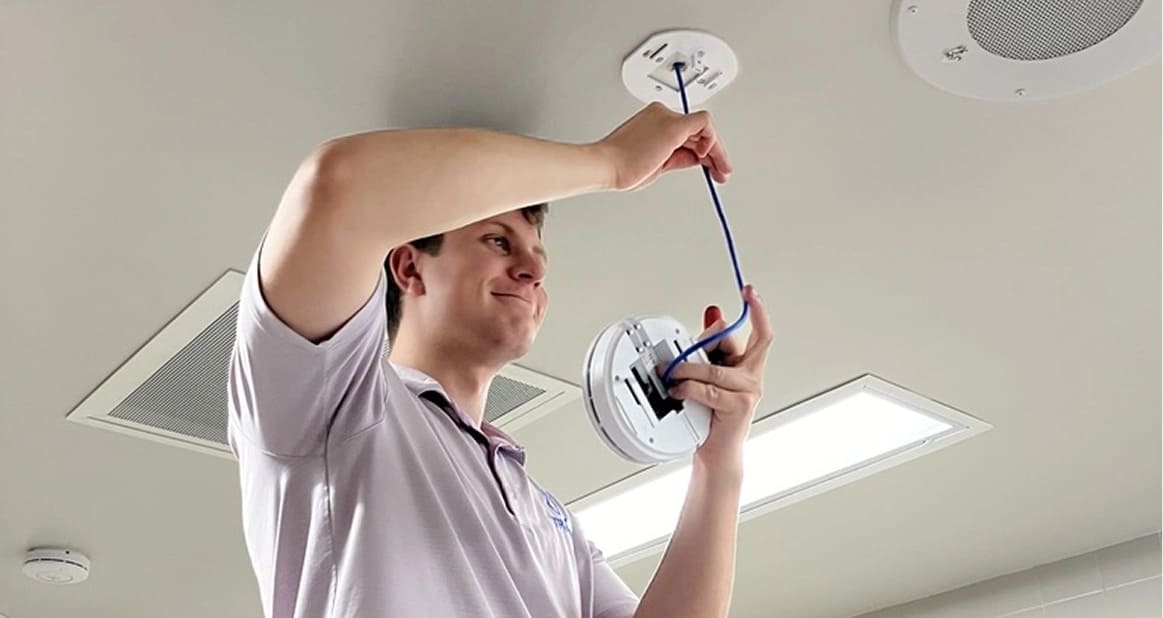
Hardwired, with fewer cable runs

Triton ULTRA runs on PoE with no batteries to change. Its PoE In and PoE Out ports let up to five sensors share one PoE+ line, reducing cable runs and switch ports. A nearby PoE switch or existing cable pathway may simplify installation.
A large lithium-ion battery where students try to tamper
The Zeptive ZVD2300 carries a 140.4 Wh rechargeable lithium-ion pack. With it installed, the unit measures 10 × 9.5 inches and weighs 3.38 lb, about four times Triton ULTRA’s ceiling footprint.
Vape detectors are mounted in restrooms and locker rooms, where students try to tamper with them. Damaged lithium-ion batteries can overheat or catch fire. Ask the vendor whether its battery pack is certified to recognized standards, such as UL 2054 or IEC 62133. We also recommend reviewing battery-powered devices with your facilities team against your district’s lithium-ion battery policy.

Zeptive’s battery option

The ZVD2300 can be mounted without running cable. That’s useful for quick trials, temporary placements, or rooms where cabling is impractical.
Battery changes become a recurring task
Zeptive rates the ZVD2300 at about three months per charge, varying with network environment and usage patterns. Every swap means a staff member on a ladder at each sensor. A school with 30 battery-powered sensors on a three-month cycle handles about 120 battery changes a year. Heavy alert activity or weak Wi-Fi shortens that cycle. If a depleted battery is not replaced, the restroom loses coverage until someone gets to it.

Fewer safety features to choose from

Triton ULTRA includes people counting, occupancy visualization, spoken keyword alerts, and cell phone detection as standard. Zeptive’s cited specifications do not document those features on either model, so evaluate the safety features as well as the power option.

Occupancy and safety alerts beyond vaping

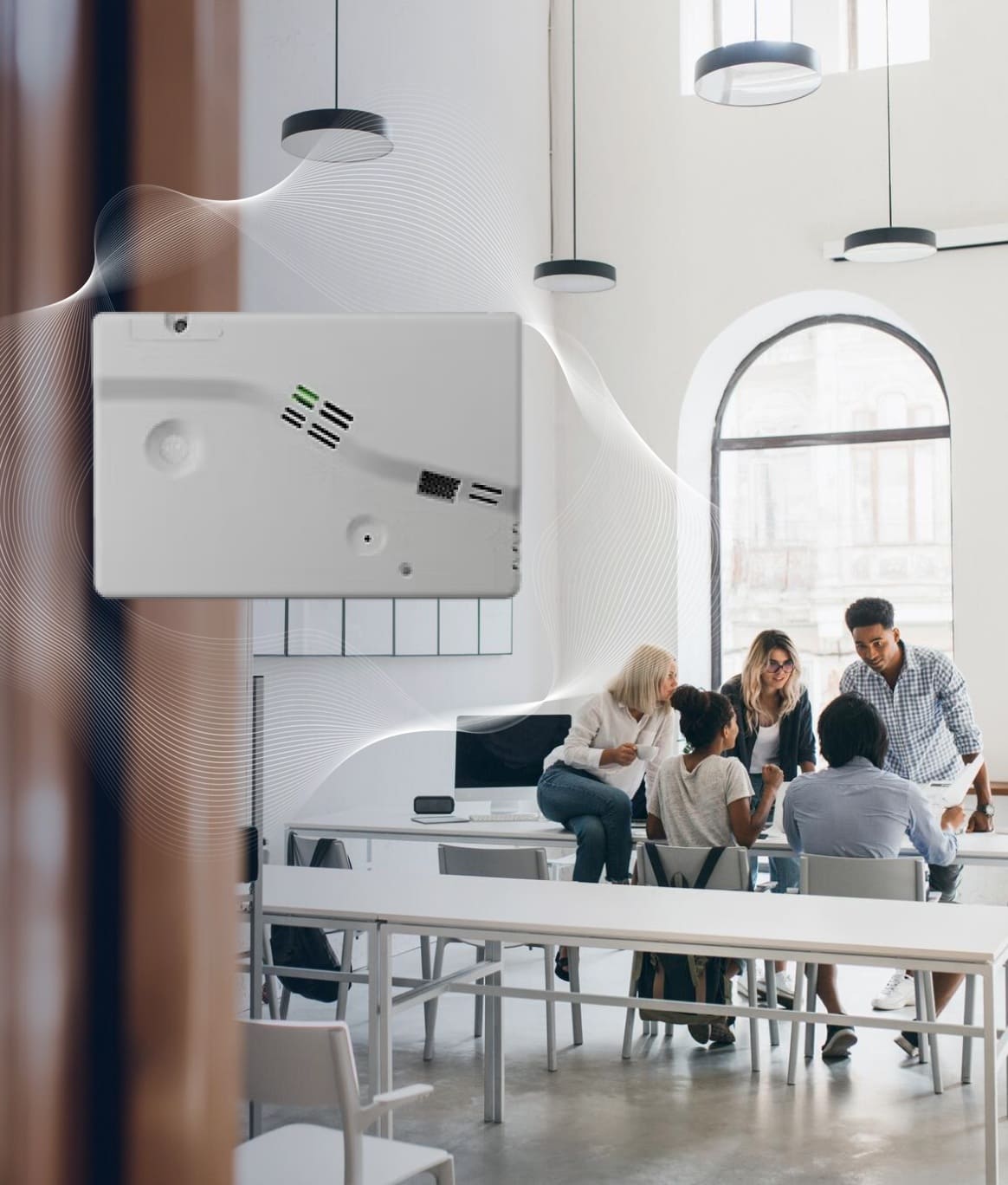
Cameras can’t go inside restrooms and locker rooms, and staff can’t supervise them the way they do hallways and classrooms. Students know these are the places they’re most likely to get away with vaping, fights, or bullying. Triton ULTRA was designed to monitor these spaces while protecting student privacy. Its radar powers Triton’s patented occupancy monitoring and visualization (U.S. Patent No. 12,290,365), which counts people and shows each person’s approximate position and dwell time, and alerts on extended stays.
Staff can watch the occupancy view from a supported VMS over RTSP. A small team can check every restroom from one screen and go where an alert or the view shows a reason.
Triton ULTRA also offers cell phone detection, spoken keyword alerts for calls for help, glass break and scream/shout detection, and an RGB light ring and speaker that can respond in the room.
Zeptive’s technical specifications list a PIR motion sensor. Its April 2026 firmware added prolonged-presence alerts. PIR detects motion and heat changes, but does not itself count or locate people. Prolonged activity can involve several overlapping visits rather than one person staying.

Software, licensing, and integrations

Triton ULTRA includes local software that runs without a subscription. Triton Cloud is optional and adds SMS and app push alerts, centralized management, custom keyword alerts, and Evidence Room.
Zeptive is cloud only, and no local software is documented. Zeptive’s terms allow it to terminate unpaid subscriptions. Confirm which alerts remain available if a subscription ends; the 5-year warranty ceases if committed subscription fees go unpaid.
Triton ULTRA’s integration directory lists more than 25 platforms across video management, access control, intercoms, mass notification, and staff messaging. The live occupancy view streams into the VMS over RTSP as a video tile next to your cameras.
In Triton Cloud, Evidence Room pairs each alert with the matching camera footage. Instead of finding the right camera and scrubbing to the timestamp, staff open one incident and see the alert, sensor readings, notification log, and the clip of who entered and left.
Zeptive lists 10 video platforms: Avigilon, Axis, Bosch BVMS, Digital Watchdog, Genetec, Hanwha, i-PRO, Milestone, Qognify, and Wazo. Its documented integrations deliver alerts as VMS events.


Compare installation and long-term costs

Triton ULTRA’s local software has no required subscription, and it has a 10-year standard warranty. Daisy-chaining up to five sensors on one PoE+ line can reduce cable runs and switch ports where the layout allows.
Battery power usually looks cheapest at installation, because there’s no cable to run. Over five or ten years, the comparison changes once battery changes, staff time, and required software are counted.
Request quotes for the same rooms and capabilities, including:
Hardware, mounts, cabling, and installation, with daisy-chaining where the layout allows.
Required software licenses for the full term, including renewals.
Battery changes per year, staff time on a ladder for each one, and replacement batteries after the 12-month battery warranty.
Warranty terms, exclusions, and replacement labor.
Compare the installed price and projected spending over five and ten years.

Compare the systems in your own school

See Triton ULTRA’s detection, occupancy visualization, and incident-review workflow. We’ll help you plan placement and daisy-chained cable runs, and show what an installation would take in your buildings.
Published by Triton Sensors and prepared in good faith to provide a fair, factual comparison. Specifications reflect the public materials listed below as of October 2026.
We encourage hands-on evaluation of both options.

Frequently Asked Questions

Is a battery-powered vape detector a good idea for schools?
It can be, for a trial, a temporary placement, or a room where cable can’t be run. For a permanent installation, factor in battery changes about every three months per sensor, a 140.4 Wh lithium-ion battery in each ceiling unit, and a narrower set of features. Most schools that want a long-term system choose hardwired sensors.
How long does a Zeptive battery last?
Zeptive rates the ZVD2300 battery at approximately three months per charge and states that actual life varies with network environment and usage patterns. Its cellular model page cites about two months in typical use, varying with alert frequency. Recharging takes up to 15 hours, and each device ships with two batteries.
Doesn’t hardwiring cost more?
Not necessarily. Triton ULTRA daisy-chains up to five sensors on one PoE+ line, so a single cable run can serve several rooms. Compare the full installed cost against battery labor and software fees over five to ten years.
Can Zeptive count people in a restroom?
The cited Zeptive materials describe PIR occupancy/activity sensing and loitering alerts, but do not document numerical people counting or a position map. A loitering alert alone doesn’t show which person has stayed. Triton ULTRA documents radar people counting, plus each person’s approximate position and dwell time.
Does Zeptive’s loitering detection work on battery-powered units?
Zeptive has not stated this clearly. Its technical specifications list PIR occupancy awareness, but its battery-model product pages do not list an occupancy or motion sensor, and loitering alerts require units sold after November 2023. Ask Zeptive to confirm for the model and power mode you plan to use. Triton ULTRA’s radar loitering alerts work on every sensor.
Do Zeptive vape detectors require a subscription?
Yes. Zeptive is cloud only and lists a paid software license separately from the hardware. Its terms allow it to terminate unpaid subscriptions, no local software is documented, and its warranty ends if committed subscription fees go unpaid. Triton ULTRA includes local software that works without a subscription, and Triton Cloud is optional.
Which has more integrations?
Zeptive lists 10 video platforms, where its alerts arrive as VMS events. Triton ULTRA’s integration directory lists more than 25 platforms across video, access control, intercom, mass notification, and staff messaging, and adds a live RTSP occupancy stream and Evidence Room footage pairing.
Which has fewer false alarms?
Triton reports 98.9% overall accuracy across 8,400 tests of vape detection and non-vape rejection. We found no comparable published Zeptive test. Test both systems in the same rooms, recording missed events and false alerts.

Sources

Reviewed October 2026. Specifications and prices can change; confirm the exact quoted configuration.