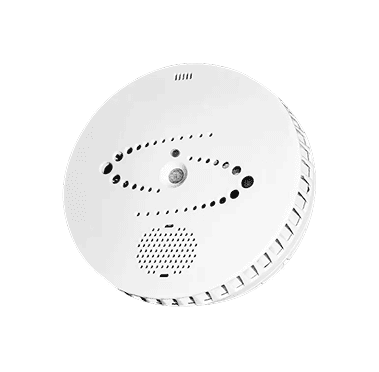
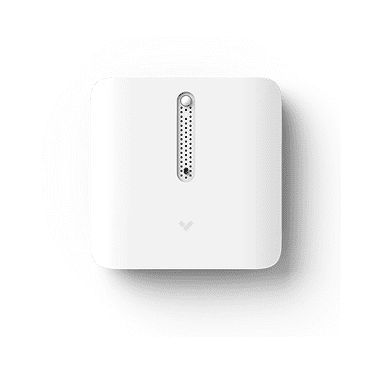
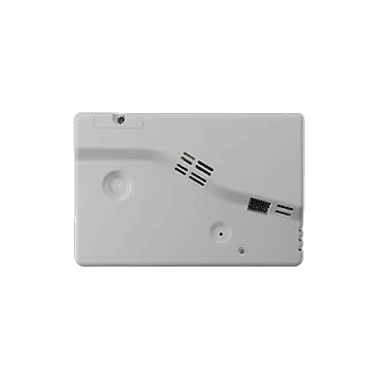
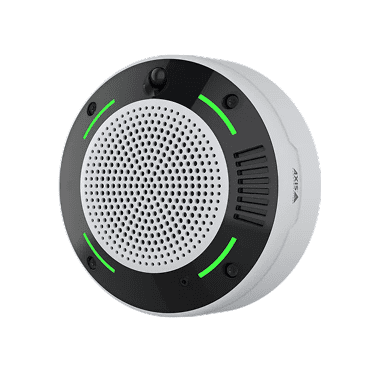
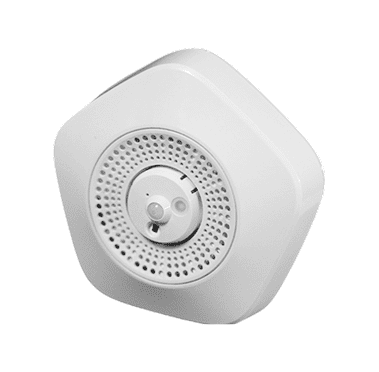
How Triton ULTRA compares to HALO, Verkada, Zeptive, Axis and FlySense

Comparing vape detectors? See our full comparison below, prepared in good faith from each vendor’s public documentation so you can make a fair, informed decision for your school.

The short version

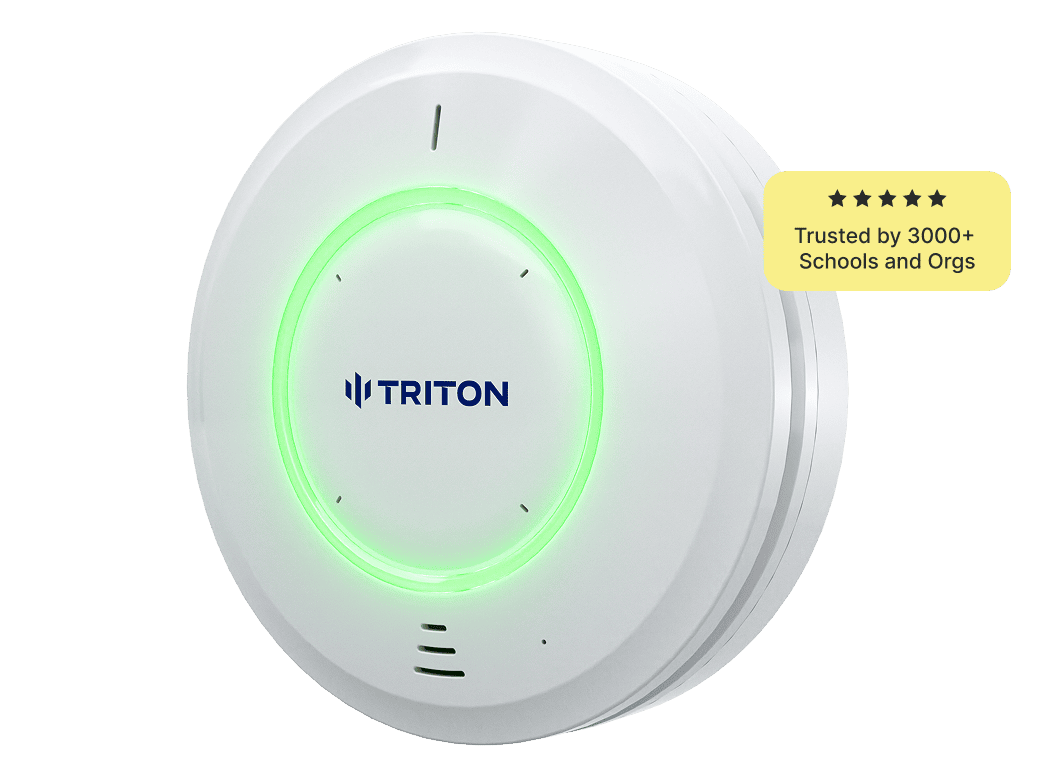
“Vape detector” describes a wide range of products, from general-purpose air quality sensors to purpose-built school safety systems, and the label says nothing about quality. Two products sold as vape detectors may not be comparable at all. The real differences are in how reliably they detect vaping, what other value they provide beyond vape detection, whether the software keeps working without a subscription, and what the system costs to install and maintain over ten years. Triton ULTRA was purpose-built from the ground up as a safety tool for schools, and it’s become the gold standard, trusted by more than 3,000 schools.

Head-to-head comparisons

Triton ULTRA vs.
HALO
The closest feature match. The differences show up in occupancy (built in vs. model- and accessory-dependent), daisy-chaining (5 sensors vs. 2), warranty (10 years without cloud vs. 5) and software, where Triton ULTRA offers a more modern interface and better notification options,including SMS texts.
Triton ULTRA vs.
Verkada
A general-purpose air quality sensor inside Verkada’s cloud platform. A paid license is required for every sensor, and there’s no people counting, keyword detection or THC identification.
Triton ULTRA vs.
Zeptive
The battery-powered option. Easy to mount without cable, but it brings battery swaps about every three months, a 140 Wh lithium-ion pack in the ceiling and a narrower safety feature set.
Triton ULTRA vs.
Axis
A well-built general-purpose air quality sensor that fits naturally in Axis camera systems. It’s hard to manage in bulk, with settings and alerts spread across several Axis products instead of one cloud interface, and it lacks features designed for schools, like people counting and keyword detection.
Triton ULTRA vs.
FlySense
A hardwired vape and smoke sensor with sound-based aggression alerts. No THC detection, occupancy, keywords, published warranty or published integrations.

All six, side by side

Based on each vendor’s public documentation. Features can vary by model, firmware and license,
so confirm the exact configuration you’re quoted.
Included
Limited, model-specific or add-on
Not offered or not documented
Capability
Triton ULTRA
HALO
HALO Smart Sensor 3C / 4
Full comparison
Verkada
SV23 / SV25
Full comparison
Zeptive
ZVD2200 / ZVD2300
Full comparison
Axis
AXIS D6310
Full comparison
FlySense
Soter FS300
Full comparison
detection
Vape and THC detection
Included. Nicotine and THC vape pens, plus separate THC detection for combusted cannabis
Vape detection with separate THC detection
Vape Index (0–100) for suspected vaping or smoking; no THC identification
Nicotine, non-nicotine and THC vaping, plus smoke
Vaping and smoking; no separate THC classification documented
Limited or add-on.Vape and cigarette smoke; no separate THC detection
Published accuracy testing
98.9% overall accuracy across 8,400 events, including perfumes and deodorants
No comparable published test found
No published test found
Restroom safety beyond vaping
People counting
Built-in radar people counting
Not built in as standard; requires the separate HALO 3C-PC or HALO 4 Occupancy Counter model
Not on the sensor; needs a Verkada camera with People Analytics, which can’t go in a restroom
Not supported; PIR motion sensing only
PIR presence only (about 5 m); no count
Not supported
Position, dwell time and loitering
Patented radar view of each person’s approximate position and dwell time, with loitering alerts
Not built into the sensor; loitering requires Amplify, a separate add-on hardware device
Not included
Prolonged-presence alerts only (PIR)
Not supported
Not supported
Spoken emergency keywords
Standard keywords; custom words and phrases with Triton Cloud
Spoken keyword alerts; customization not documented
Not included
Not included
Detects that speech occurred, not what was said
Not included
Aggression and audio events
Aggression and sound-level alerts; AI classification for glass break and screams/ shouts; optional gunshot detection
Aggression and gunshot detection; HALO 4 adds scream, glass break, loud noise, smoke and car alarms, metal crash and other audio analytics
Noise-level readings and thresholds
Decibel-based aggression and noise alerts (optional sound meter)
Classifies scream, shout, speech, glass break and coughing fit
Aggression alerts from sound frequency, decibel level and patterns
Cell phone detection
Included
Not supported
Not supported
Not supported
Not supported
Not supported
In-room response
RGB light ring and speaker for pre-recorded or custom messages
Light and speaker for pre-recorded or custom messages; HALO 4 adds two-way communication (live listening in restrooms raises privacy questions)
Not included
Audible buzzer
LEDs, 4 W speaker and two-way audio over SIP (live listening in restrooms raises privacy questions)
LED status; buzzer for tampering only
Environmental monitoring
PM, TVOCs, formaldehyde, CO, CO2, NO2, ethanol, temperature, humidity, humidex
Air-quality and environmental readings
Air-quality readings; SV25 adds CO, formaldehyde, light and pressure
VOCs, particulates, temperature and humidity
CO2, PM1.0–PM10, VOC and NOx index, AQI, temperature, humidity
VOCs, temperature and humidity
Software and alerts
Works without a subscription
Yes. Local software included; Triton Cloud optional
Yes. Local operation; HALO Cloud optional
No. Cloud only, with a paid license per sensor renewed by term
No. Cloud only; no local software documented
No sensor license; dashboards (AXIS Data Insights) licensed per device
Cloud portal (EoT Live) with subscription; no local software documented
Integrations
25+ platforms across video, access control, intercom and mass notification; live occupancy view streams to your VMS over RTSP
VMS integrations and dashboard streams; licenses vary by model
Native in Verkada Command; alert events only to 4 third-party VMSs
10 video platforms; alerts arrive as VMS events
Open standards (VAPIX, MQTT, ONVIF, SIP, Modbus TCP); pairs natively with Axis devices
No specific integrations published
Incident review with camera footage
Evidence Room pairs each alert with the matching camera footage automatically
Through supported security integrations
Side by side with Verkada cameras in Command (each camera needs its own license)
Alerts arrive as events in your VMS
Through AXIS Camera Station or a third-party VMS
Not documented
Alert delivery
Email locally; SMS and app push with Triton Cloud; Microsoft Teams, Slack and Google Chat
Email and cloud mobile alerts; SMS described as beta, on request
SMS, email, mobile app and webhooks
Email, SMS and app push
Email, HTTP, MQTT, SNMP and SIP; phone alerts depend on your VMS
Portal, email and SMS
Installation, warranty and long-term cost
Power
PoE or PoE+ (12V DC with Wi-Fi also supported); no battery
PoE or 12V DC
PoE
ZVD2200: PoE or USB. ZVD2300: 140.4 Wh lithium-ion battery, about 3 months per charge
PoE
PoE (802.3af)
PoE daisy-chaining
Up to 5 sensors on one PoE+ line
2 sensors with PoE+
One cable per sensor
One cable per wired sensor
Passthrough to one additional device
One cable per sensor
Standard hardware warranty
10 years, no cloud subscription required
5 years; 10 years with a 10-year cloud software purchase
10 years (paid license required to operate)
5 years; ends if committed subscription fees go unpaid; batteries 12 months
5 years
Not published

What matters most, and how the field compares

The five questions school safety teams tell us decide the purchase,
with an honest read of where each product stands.
01

Can staff trust the alerts?

Every vape detector looks similar on a spec sheet. What decides whether staff keep responding is how often an alert is real, and whether the sensor ignores body spray, perfume and cleaning products. A detector that cries wolf gets muted.
Ask every vendor for published testing. Triton’s published test detected 2,861 of 2,900 vape events and correctly rejected 5,454 of 5,500 non-vape events, for 98.9% overall accuracy across 8,400 events. That’s Triton’s own test, not a head-to-head result, so run a side-by-side trial in your own building too.
THC matters as well. Schools often respond differently to nicotine and THC, so check whether a sensor identifies THC separately or just reports “vaping or smoking.”
Where the field lands
Triton ULTRA is the only product here with published accuracy testing we found. Triton ULTRA, HALO and Zeptive identify THC; Verkada, Axis and FlySense do not document separate THC identification.
02

What extra value does the sensor provide?

Restrooms and locker rooms are where cameras can’t go and staff can’t supervise, which is why students choose them for vaping, fights and bullying. This is where the products differ most.
Triton ULTRA’s patented radar occupancy (U.S. Patent No. 12,290,365) counts people, shows each person’s approximate position and dwell time, and alerts on extended stays, without a camera. Staff can see whether a restroom is empty, crowded or has one student who has stayed too long before anyone walks in.
Most other sensors use passive infrared (PIR), which detects motion or presence but can’t count or locate people. Spoken keyword alerts let a student call for help, and cell phone detection flags phone use in rooms where it isn’t allowed.
Where the field lands
Triton ULTRA includes counting, positions, dwell time and loitering in every sensor. HALO offers counting on specific models and loitering through an accessory. Zeptive offers prolonged-presence alerts. Verkada, Axis and FlySense don’t count people. Keyword alerts: Triton ULTRA and HALO. Cell phone detection: Triton ULTRA only.
03

Who controls the software?

There are three software models in this market, and they shape your costs for the life of the system.
Local software with optional cloud (Triton ULTRA, HALO): the sensors keep working and alerting without a subscription. Cloud adds features like SMS, app alerts and district-wide reporting.
Cloud required (Verkada, Zeptive, FlySense): a paid license is part of the cost of operating the sensor. Ask what stops working if a renewal lapses. Verkada notifications end 30 days after licenses expire, and Zeptive’s warranty ends if subscription fees go unpaid.
A toolkit (Axis): no license on the sensor itself, but alerts, management and dashboards are spread across separate Axis products or your VMS.
Where the field lands
Triton ULTRA and HALO are the two options that run without a required subscription.
04

Will it work with what you already run?

A sensor alert is only useful if it reaches the right person and is easy to investigate. Check how alerts get to administrators’ phones, and how long it takes to find the matching camera footage.
Triton ULTRA integrates with more than 25 platforms, streams its live occupancy view into your VMS, and its Evidence Room pairs each alert with the matching camera footage so staff don’t have to scrub through video. If your district is standardized on Verkada or Axis cameras, their own sensors pair natively; Triton ULTRA integrates with Verkada Command and AXIS Camera Station as well.
Where the field lands
Triton ULTRA, HALO and Axis have the broadest integration options. Verkada works best inside its own platform. Zeptive sends alerts to 10 video platforms. FlySense doesn’t publish an integration list.

When another option might fit

Triton ULTRA is the right fit for most schools and most rooms. These are the few situations where another option might make more sense.

Zeptive

If you need a temporary placement, a quick trial, or coverage in a room where cable genuinely can’t be run, a battery-powered sensor is a practical choice.

Verkada

If your district runs everything in Verkada Command and you only need vape and air-quality alerts, native pairing with your cameras is convenient.

How to run a fair side-by-side trial

1
Same rooms, same settings
Install both with proper placement, current firmware and the settings you’d actually run.
2
Log real and nuisance events
Record real vape events, missed detections, and alerts from body spray, perfume and cleaning products.
3
Time the alert
Measure how long it takes an alert to reach an administrator’s phone, and how long to find the matching footage.
4
Test the daily tasks
Check occupancy, change sensitivity across several sensors, and pull a district-wide report.
5
Quote ten years
Compare hardware, cabling, installation, required software, renewals, batteries and warranty over the same scope.

Compare them in your own school

See Triton ULTRA’s detection, occupancy view and incident review. We’ll help you plan placement and daisy-chained cable runs, and price a ten-year quote you can hold any vendor to.

Frequently Asked Questions

Which vape detector is the most accurate?
Triton publishes 98.9% overall accuracy across 8,400 test events, including rejection of perfumes, deodorants and other everyday sources. We found no comparable published testing from the other vendors reviewed here. Because performance depends on placement and airflow, test any finalists side by side in your own building.
Which vape detectors can count people in a restroom?
Triton ULTRA counts people with built-in radar and shows each person’s approximate position and dwell time. HALO offers counting on its 3C-PC and HALO 4 Occupancy Counter models. Verkada, Zeptive, Axis and FlySense sensors don’t count people; several use PIR motion or presence sensing instead.
Do vape detectors require a subscription?
It depends on the product. Triton ULTRA and HALO include local software that works without a subscription, with optional cloud services. Verkada, Zeptive and FlySense are managed through cloud platforms that require a paid license or subscription.
Which vape detector has the longest warranty?
Triton ULTRA and Verkada both carry 10-year standard hardware warranties; Triton ULTRA’s doesn’t require a cloud subscription. HALO is 5 years standard (10 with a 10-year cloud purchase), Zeptive and Axis are 5 years, and FlySense doesn’t publish its terms.
Is a battery-powered vape detector a good idea for schools?
For trials, temporary placements or rooms where cable can’t be run, it can be. For permanent installations, factor in battery changes about every three months per sensor and a large lithium-ion battery mounted in the ceiling.

Sources

Published by Triton Sensors and prepared in good faith to provide a fair, factual comparison. Specifications reflect each vendor’s public materials as of November 2026 and can change; confirm the exact quoted configuration. Accuracy figures are from Triton’s published testing (methodology and results), not a head-to-head test.Sources for each product are listed on its full comparison page: