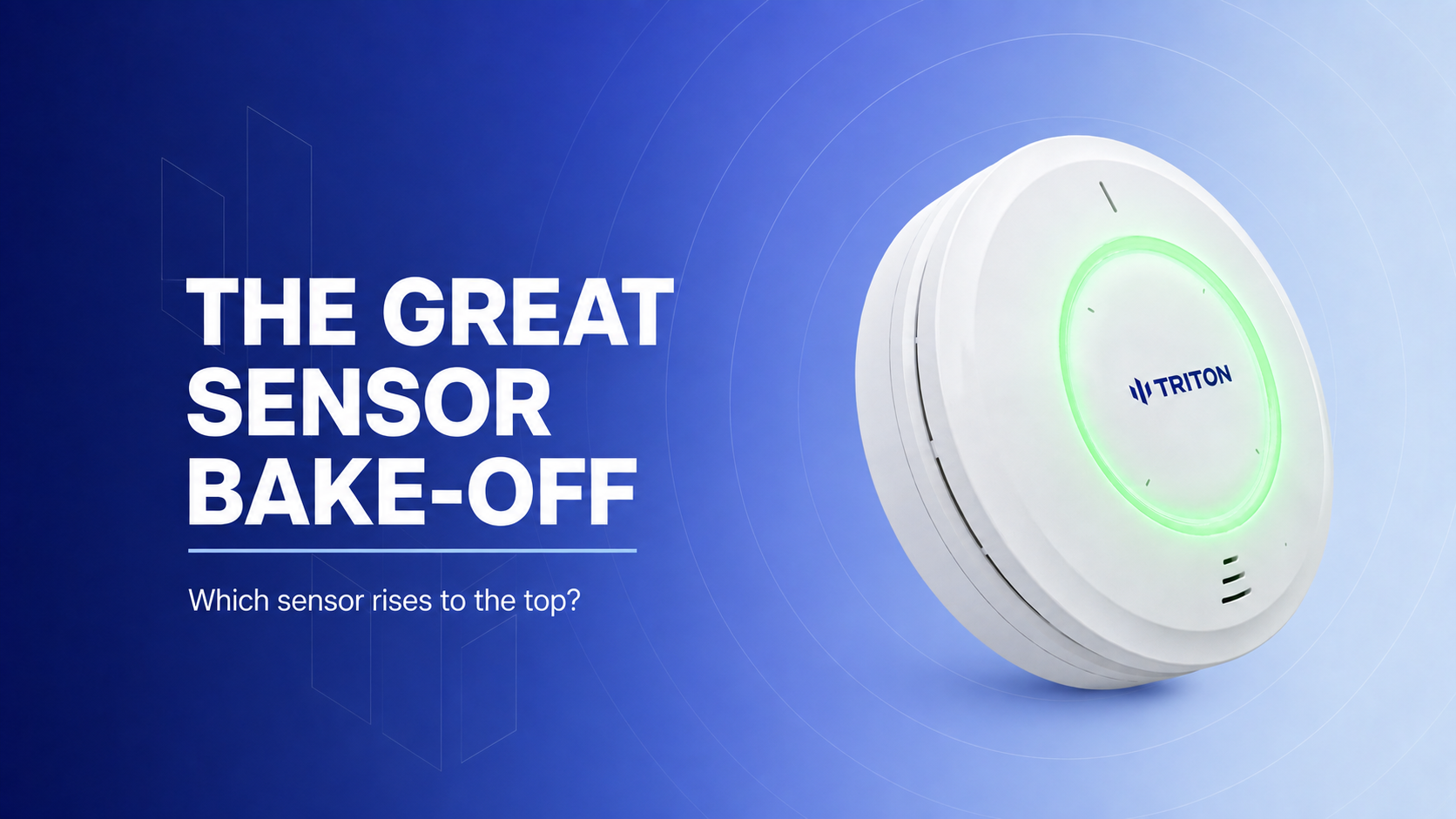
Vape detectors are small, discreet devices that are often installed on ceilings and sometimes walls. Very similar in appearance to smoke detectors, vape detectors sample the air for the chemicals found in vapor through vents and grills.
In this comprehensive guide, we share our experience of the various types of vape detectors we’ve seen, what these devices look like, and how they function in different settings, from schools to hotels.
What Do Vape Detectors Look Like?
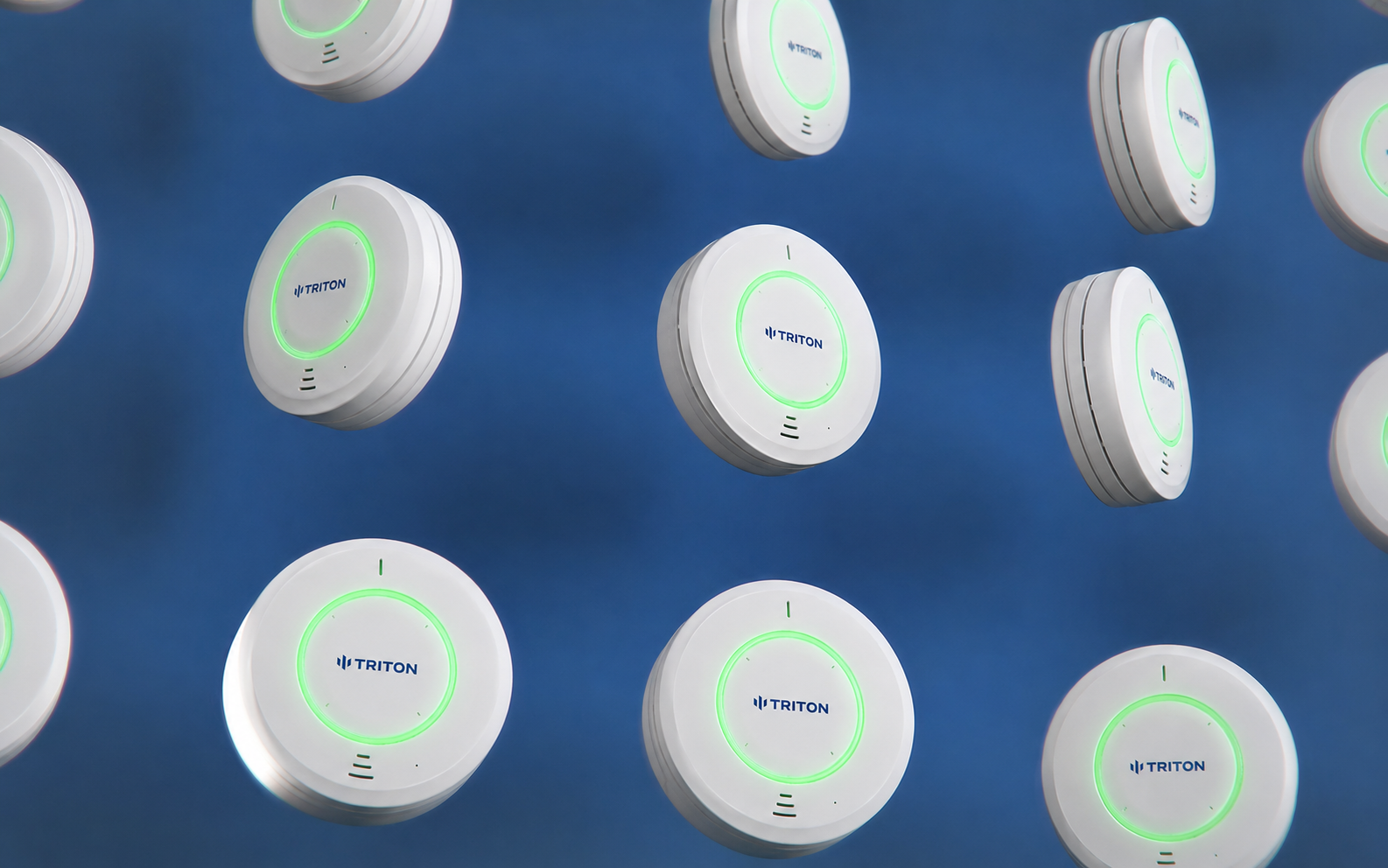
Vape detectors are designed to be subtle in appearance. Usually round in shape and white in color, they sit on ceilings out of our eyelines.
Some types of vape detectors may have a square shape, and many, if not all, have either vent-like openings on the top or side of the device. This is to allow airflow inside.
To let you know the device is working, some devices may have an LED indicator light. However, they tend not to sound any alarms. Instead, they send an alert to supervisors who can intervene more effectively.
Let’s take a look at what different types of vape detectors look like.
Ceiling-Mounted Vape Detectors
Ceiling-mounted vape detectors are by far the most common type, usually because it’s the best place for faster and more accurate detection. They’re usually used in schools, hotels, airports and public restrooms in other places too, like shopping malls.
Given their close resemblance to smoke alarms, vape detectors can subtly slot in beside an alarm, and most people would be none the wiser.
However, there are subtle differences between smoke alarms and vape detectors. The latter tend to be flatter and more compact than traditional smoke alarms. Vape detectors may also have larger vents or grills.
Wall-Mounted Vape Detectors
Wall-mounted vape detectors tend to differ in appearance to other types. These devices are typically rectangular or square. They tend to be found close to ceilings or at mid-wall height.
A wall-mounted detector may look more like a motion sensor or thermostat than anything else, but one of the telltale giveaways is the presence of grills or vents.
Portable / Standalone Units
Portable vape detectors aren’t very common, but they’re still used in certain settings and circumstances.
These devices typically require a socket, so they can be limited in where they’re positioned. They tend to be small, compact, and box-like. Some people think they look like carbon monoxide detectors, or even a wireless router.
Visual Examples Of What Vape Detectors Look Like
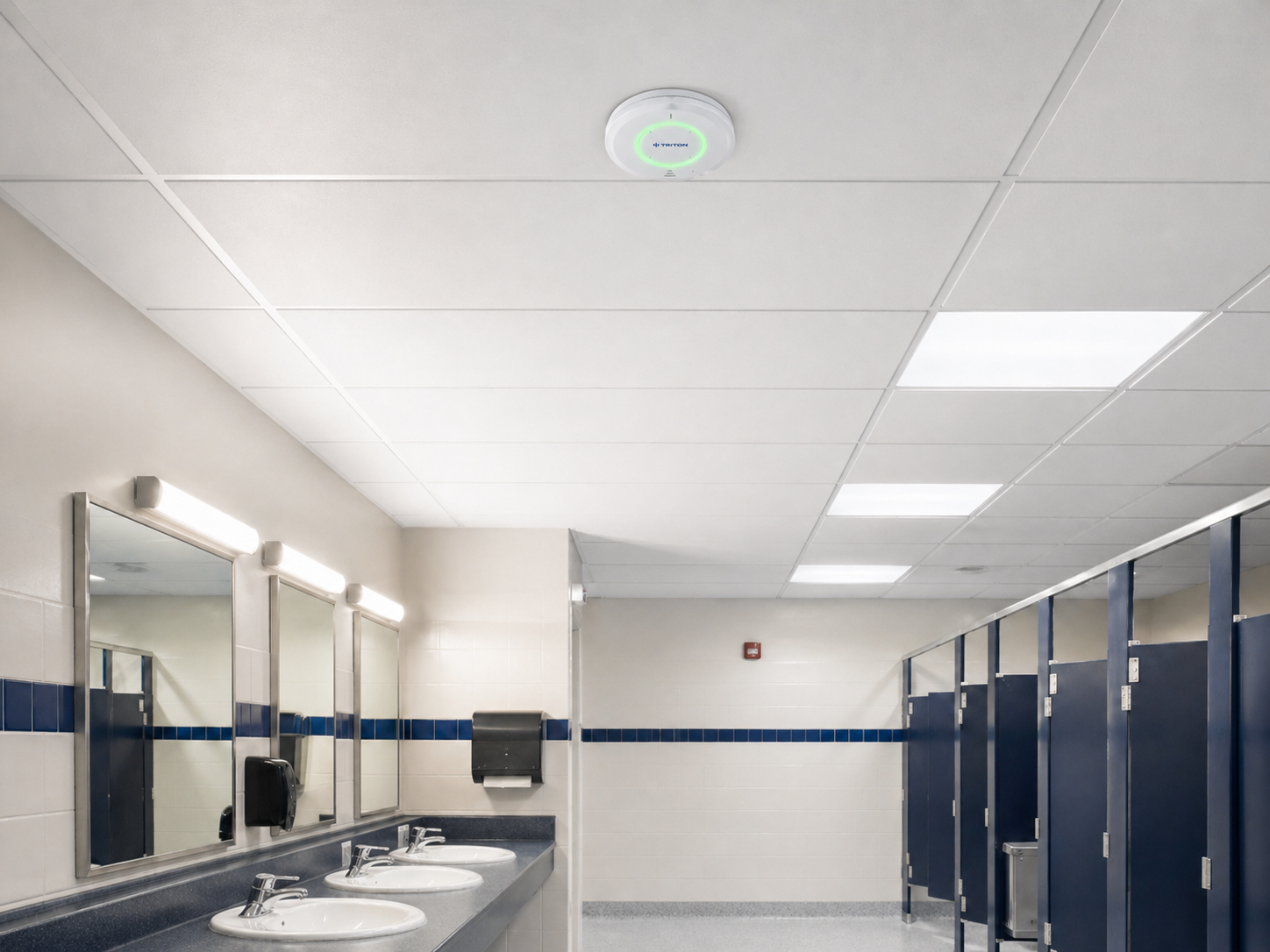
As we’ve seen from the descriptions of various types of vape detectors above, there are some key features that stretch across all products:
- Discreet and subtle is the main aim, especially for school vape detectors. In the context of education settings, the purpose isn’t to draw attention to their presence as a visible deterrent, but to catch students in the act so a meaningful intervention can be made.
- All vape detectors require a vent or grill to allow airflow into their internal sensors
- Blends in with existing technology, like smoke alarms
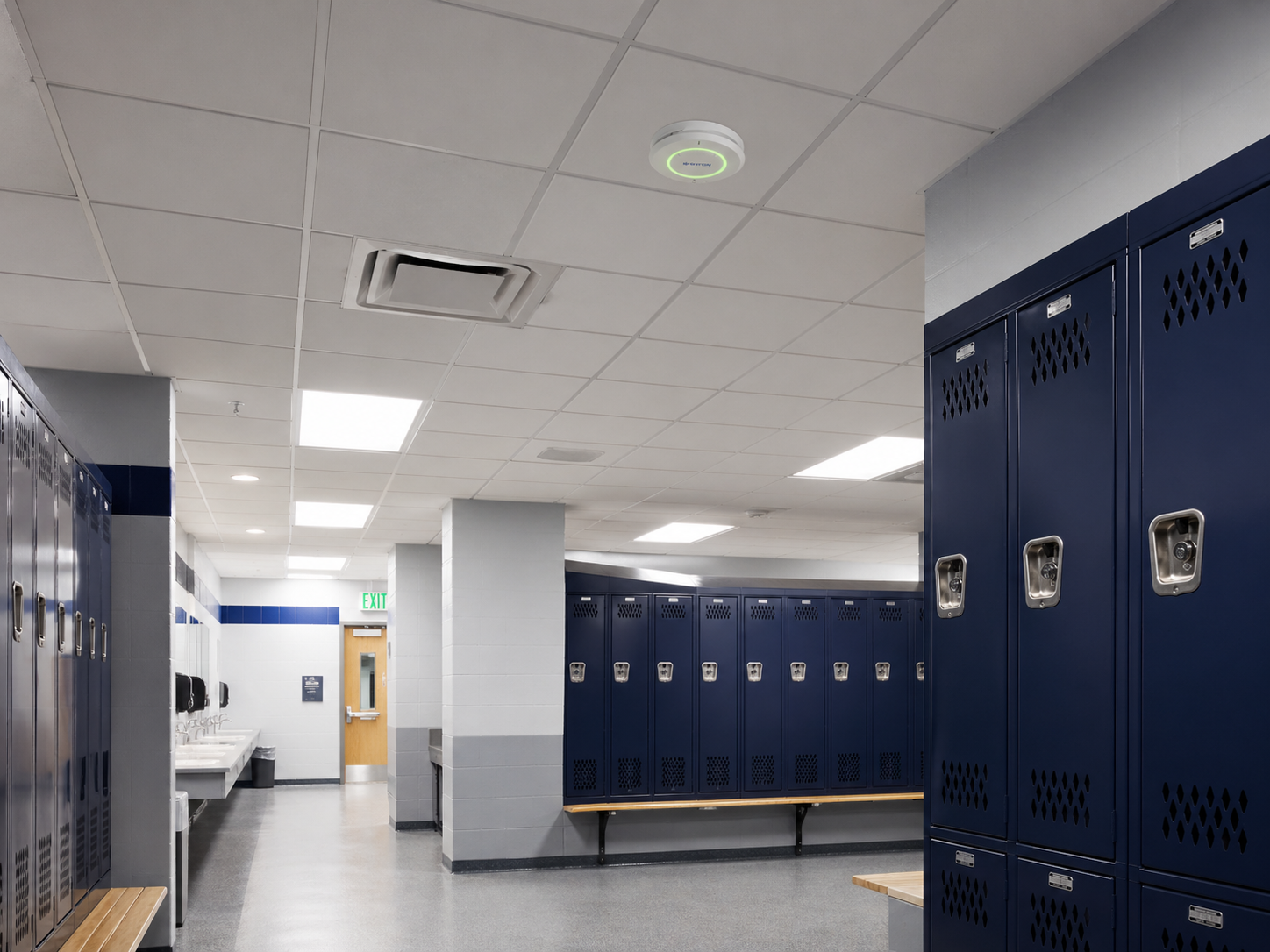
Where Are Vape Detectors Usually Installed?
The purpose of vape detectors is to help enforce no-smoking policies and in the context of schools, safeguard children from harming themselves.
As a result, vape detectors are installed in places where people are more likely to vape. While some systems provide blanket coverage, others may target the known hot spots. These tend to be:
- School bathrooms and locker rooms
- Changing areas in gyms
- Hallways and stairwells
- Dormitories and student housing
- Public restrooms in commercial buildings
In the case of restrooms and locker rooms, CCTV cameras are plainly not allowed for privacy reasons, but vape detectors infringe on nobody’s rights, merely monitor air quality, making them an ideal choice.
Do Vape Detectors Look Like Cameras?
No, vape detectors do not look like cameras. In fact, very few, if any, devices or models incorporate a camera function. This means no lenses, no ability to move a camera around.
All vape detectors do is monitor air quality. If they were to record visual images, they would not be permitted in private spaces.
Why Vape Detectors Are Designed To Be Discreet
One of the benefits of vape detectors is that they’re subtle. This has purposes behind it.
First, the subtlety of the device enables a no-vaping policy to be more effectively enforced. If the likes of middle school students think they can vape freely in their bathroom, then staff at the school can catch that child in the act and help them tackle their vaping problem.
A second purpose behind a discreet design is to minimize tampering and damage. In the likes of schools or hotels, people may try and block or even disable the device so that they can vape to their heart’s content. However, if they think it’s a smoke alarm, they may not bother.
One of the perks of new and advanced models of vape detector, like the Triton 3D Sense, is that it has tamper-proof technology, sending supervisors an alert if someone tries to damage a detector.
How To Tell If A Vape Detector Is In A Room
If you’re trying to identify whether or not a vape detector is in a room, it can help to look out for these things:
- Small white devices on ceilings or walls
- Units with vents or perforated surfaces
- Placement in corners or central ceiling positions
- Subtle LED indicators (sometimes flashing)
If you can see two detector-like devices in a room, there’s a good chance one of them is a vape detector.
What Do School Vape Detectors Look Like?
Many schools tend to opt for ceiling-mounted vape detectors. These small, round, white devices attract less attention and blend in among the likes of smoke alarms.
School vape detectors typically:
- Match the color of ceiling tiles
- Sit centrally or near ventilation areas
- Appear similar to fire safety devices
If detectors have been damaged or tampered with, some may even have strong boxes or cages around them, which makes them a little less subtle.
Do Vape Detectors Have Cameras Or Record Audio?
The purpose of vape detectors is to monitor air quality for the particles found in the vapor produced by vape pens. This means there are no camera functions—it’s simply not required.
However, some models of vape detectors have the ability to monitor noise levels too. This does not involve recording audio or conversations, but rather measuring sound levels and responding if the decibel level reaches too high a level.
If you’re trying to enforce rules about noise levels or want to monitor for anti-social behavior like fighting in schools, then this advanced function can prove very useful.
Order A Free Demo Kit Today
Now that you’ve learned all about vape detectors and how they work, you may wish to try them out for yourself. If so, you’ll be pleased to hear that we offer a free demo sensor here at Triton Sensors.
Reach out to us today and we’ll get your very own vape detector shipped to you as soon as possible. It’s easy to install and set up, and you can test out all of the features, as well as check the appearance, without having to pay us any fees.
If you still have questions about vape detectors, how they look, or how they function, call us today! We’re always happy to help.
Frequently Asked Questions (FAQ)
Below, you can find answers to some common questions about the appearance of vape detectors.
Are vape detectors hidden?
No, vape detectors are not quite hidden from view. They look similar to smoke detectors and usually sit affixed to a ceiling.
Do vape sensors look like smoke alarms?
Yes, many smoke alarms are similar in appearance to other smoke alarms. Usually round, small, white and mounted to the ceiling, they’re easily mistaken for smoke alarms. However, modern vape detectors tend to be slimmer, with larger vents or grills for airflow.
Can you vape without triggering a detector?
Vape detectors are designed to be hyper-sensitive to particles in the air. Even the smallest amounts can trigger an alert.
Are vape detectors in school bathrooms?
Yes, vape detectors are often found in school bathrooms, both in middle and high schools. These locations are hotspots for vaping children, given that they’re private spaces, beyond the eyes of teachers. Vape detectors can also be found in school locker rooms, changing areas, and quiet stairwells.
How do you know if you trigger a vape detector?
In many cases, there will be no sign that a vape detector has been triggered. These devices are designed to be discreet, instead of alerting supervisory staff to a vaping incident, rather than triggering an alarm. A response would instead come from members of staff.